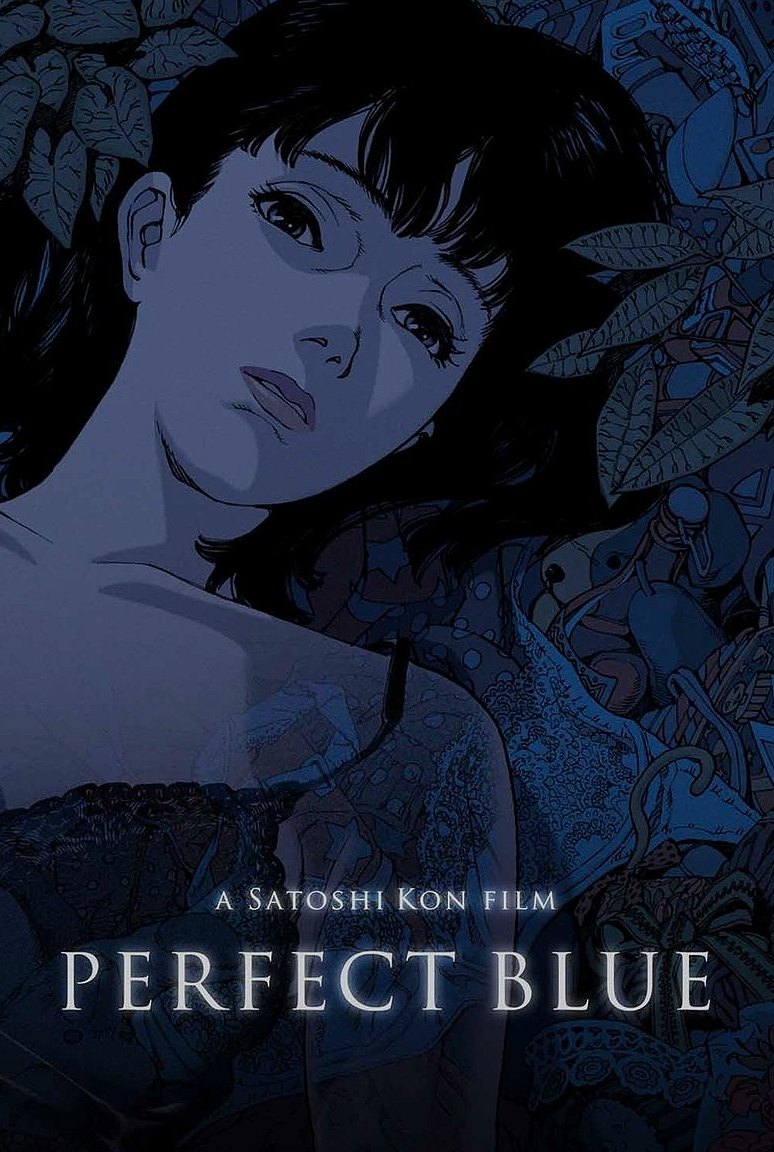
In a world where the line between reality and illusion is razor-thin, PERFECT BLUE (1998) is a work that Satoshi Kon created to shake the minds of every viewer. The film tells the story of Mima, a former idol trying to transition into acting, but she must confront the obsession of her fans and the illusions that gradually consume her identity. This is more than just a horror anime; it's a deep and chilling exploration of the human psyche.
Plot Summary (No Spoilers)
Mima Kirigoe is a pop idol from the group CHAM! who decides to leave the music industry to become a full-time actress. This change disappoints some fans, especially a particular fan named 'Mania,' who begins to stalk and harass her intensely. Meanwhile, Mima takes on challenging roles in a crime drama TV series, including scenes requiring nudity and a rape scene, causing her to become confused between her real self and her character. The more she tries to move forward, the more her world shatters when a mysterious website called 'Mima's Room' starts posting her personal details as if someone is watching her every move.
Tension escalates when people around Mima are brutally murdered. Mima begins to doubt what is real, what is a dream, or even her own identity. The film moves at a fast and disorienting pace, making the audience feel as if they are falling into the same trance as the protagonist.
Performance and Characters
Despite being an anime, the voice acting by Junko Iwao as Mima is superb, allowing us to deeply feel the character's confusion and fear. Her voice shifts from bright and innocent to hoarse and paranoid remarkably. Mima is a complex character; she is not just a victim but also someone fighting her inner demons. Meanwhile, Rumi, her close friend voiced by Rica Matsumoto, plays a crucial role that gradually reveals shocking truths. Supporting characters like the manager and police add depth to the story, even with limited screen time, each contributing to driving the plot.
Direction, Visuals, and Music
Satoshi Kon proves his unique directorial style in PERFECT BLUE with clever editing techniques and seamless transitions between reality and hallucination that are chilling. The visuals are realistic yet surreal, especially the use of color shifting from bright tones early on to dark and gloomy as the story progresses. The music by Masahiro Ikumi excellently enhances the oppressive atmosphere, particularly the catchy opening theme and the unsettling background score. Sound design is also outstanding, using volume fluctuations to build tension.
Editorial Analysis
PERFECT BLUE is not a comfortable watch, but it is a mirror reflecting a society obsessed with fame and public scrutiny. The film questions identity in an era where everyone can create multiple personas, and who truly defines a person's identity. The editorial team finds the film shockingly contemporary, even after more than 25 years. Issues of privacy invasion, online harassment, and pressure in the entertainment industry remain relevant. Satoshi Kon's choice to use anime to tell such a complex and violent story demonstrates boldness and superior vision.
Additionally, the film has psychological depth, especially in portraying Dissociative Identity Disorder (DID) and hallucinations from accumulated stress. The audience must interpret what is real and what is false, giving the film rewatch value; each viewing reveals hidden details.
Verdict
PERFECT BLUE is a masterpiece that every film fan should watch at least once. It is an anime that challenges the mind and squeezes emotions, leaving a lasting impression. Suitable for fans of mystery, psychological thrillers, or those seeking a unique storytelling experience.
Screenshots


👍 Pros
- +Complex and engaging storyline
- +Superior visuals and editing techniques
- +Powerful voice acting and performance
- +Contemporary psychological and social issues
👎 Cons
- −Content may be intense and unsuitable for children
- −Some parts may confuse certain viewers
Top Cast




FAQ
It is a psychological thriller anime that blends horror and mystery.
Due to violent scenes and sexual content, it is suitable for viewers aged 18 and above.
No, but there is a novel by Yoshikazu Takeuchi and a live-action film released in 2002, though not as successful.
Darren Aronofsky bought the rights to use the bathtub scene in Requiem for a Dream but did not remake the film. Satoshi Kon's original is more complete.